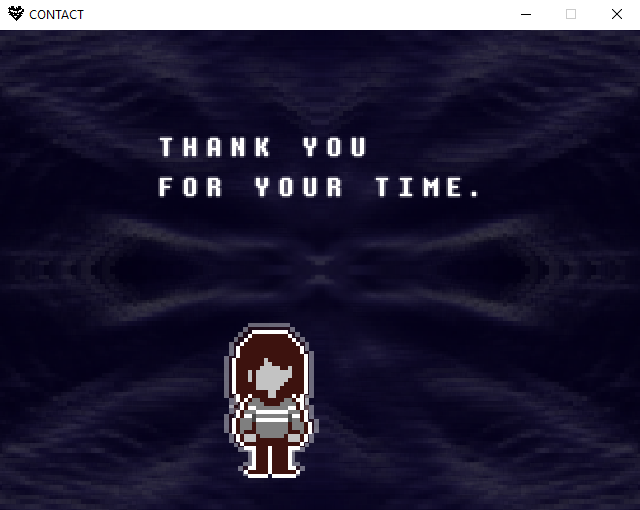
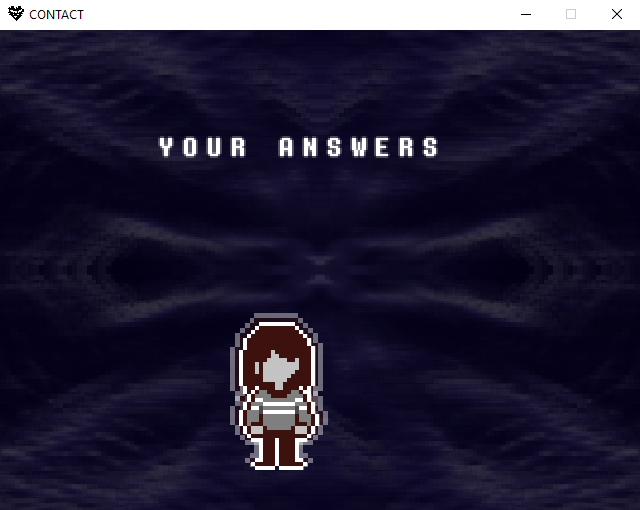
In the beginning of DELTARUNE, as you may know, your Wonderful Creation is “discarded” by someone. What if I told you I could use the Power Of Language to prove who that is?
That’s a bit of a change in voice, isn’t it? One speaks in ALL CAPS, and the second speaks in proper capitalization. That seems very… intentional, doesn’t it?
Well, what if I told you that change in voice is even more distinct in Japanese?
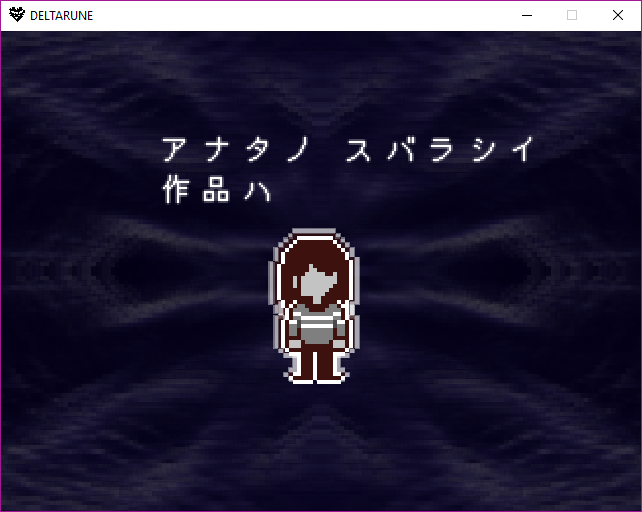
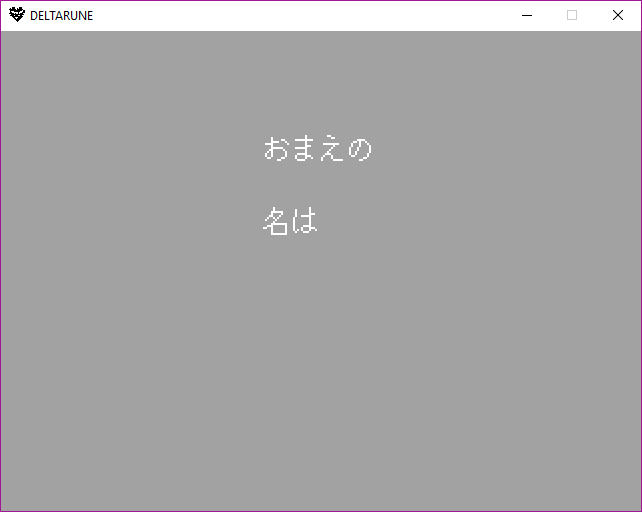
In the Japanese version, Gaster (or, at least, a person who is presumed to be Gaster) speaks exclusively in kanji and katakana, a combination that is very odd. However, the mysterious second person speaks in kanji and hiragana, which is, well, how you would normally write. (However, it’s worth noting that in UNDERTALE, and in the “surface world” portion of DELTARUNE, kanji is used very sparingly – the game is written mostly in hiragana and katakana alone, with a few simple kanji here and there. This person’s “normal” use of kanji is actually a bit unusual in that respect.) On it’s own, this difference seems similar to the English version.
But that’s not the only difference.
See, in Japanese, Gaster uses the second-person pronoun “anata”. This is a formal pronoun, which is fitting for him, as he seems to be very polite (at least in his “survey”). However, when the second person says “your name is..” they use the much more informal pronoun “omae”.
In addition, Gaster speaks very formally and politely in general, ending a lot of sentences with “desu”, and ending all of his requests with “kudasai” (please). However, the second person speaks using informal language, for example, opting to use the informal “dekinai” rather than the formal “dekimasen”. Compare directly to Gaster, who DOES use the formal “dekimasu”.
You know who else uses the pronoun “omae” when speaking on a plain black background, using informal language, and using kanji liberally?
Chara.
Hey, does everyone remember this message that was added to Undertale’s strings in the first patch?




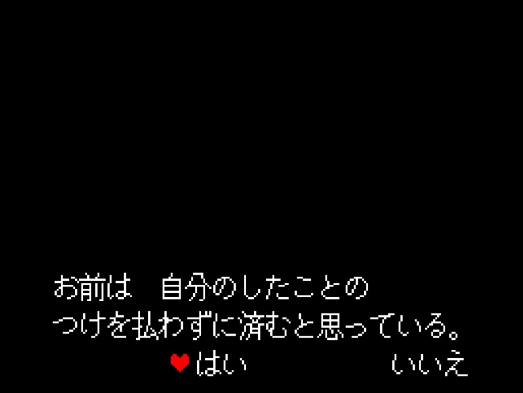


 sky's stuff